 How-to
Bilingual Roofing Contractors in Orlando FL
Table of Contents
- Why Bilingual Roofing Contractors Matter in Orlando
- How to Verify a Florida Roofing Contractor License
- Key Questions to Ask Before Hiring a Roofing Contractor
- What to Include in Your Roof Replacement Estimate Checklist
- Understanding Your Roofing Contract and Warranty
- Residential and Commercial Roofing Services in Central Florida
- Storm Damage and Roof Repair: What You Need to Know
- Frequently Asked Questions
Last Updated: October 11, 2026
Why Bilingual Roofing Contractors Matter in Orlando
Finding qualified bilingual roofing contractors in Orlando means getting expert service without communication barriers. For Spanish-speaking homeowners and property managers across Central Florida, this matters deeply. A contractor who speaks your language ensures you understand every detail of your roof replacement, repair, or inspection.
At Florida Exterior-Interior Contracting, we know that clear communication prevents costly misunderstandings. When you discuss roof damage, estimate details, or warranty terms in your preferred language, decisions become faster and more confident. This is especially critical after severe weather, when time and accuracy count most.
The roofing industry in Central Florida serves a diverse community. Many property owners prefer working with professionals who understand their language and culture. A true bilingual roofing contractor isn't just someone who speaks Spanish on the side, it's a business built on serving both English and Spanish-speaking clients with equal professionalism.
How to Verify a Florida Roofing Contractor License
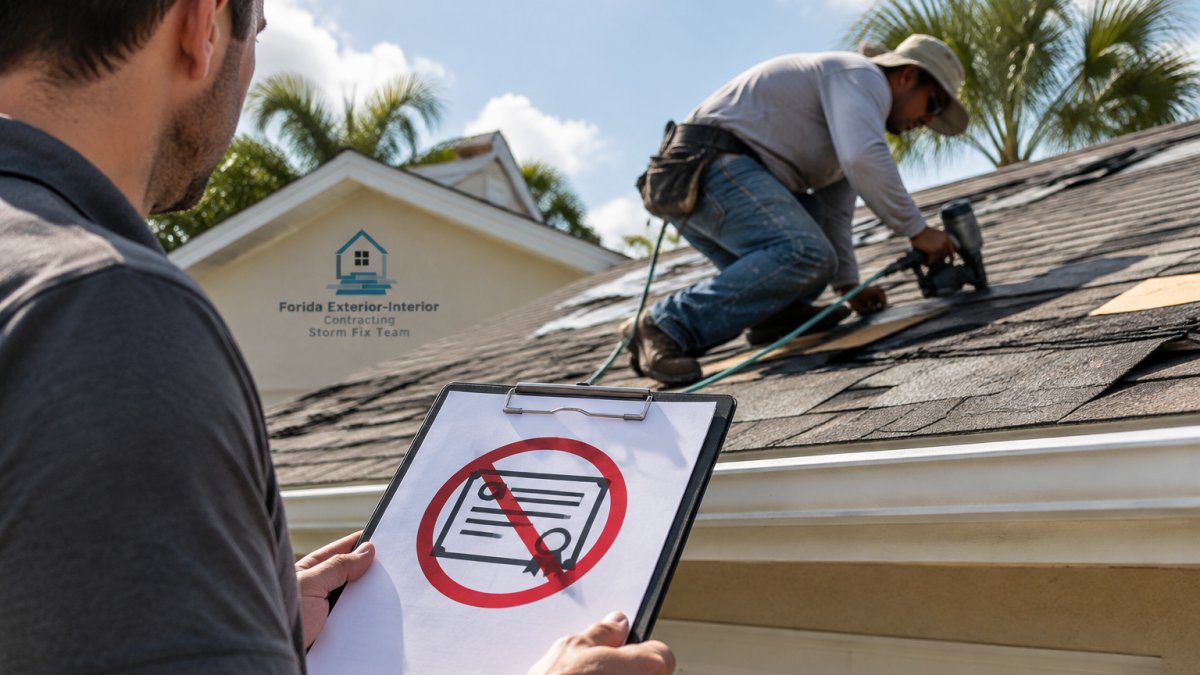
Before hiring any roofing contractor in Orlando, verify their Florida license. This is non-negotiable. The Florida Department of Business and Professional Regulation maintains the official contractor database where you can confirm licensing status, active complaints, and disciplinary history.
To check a contractor's credentials, visit the DBPR website and search by name or license number. A legitimate roofing contractor in Florida must hold a current license. Look for any history of violations or unresolved complaints. Red flags include expired licenses, multiple complaints, or disciplinary actions related to billing practices or quality issues.
Ask the contractor directly for their license number and insurance information. Write it down and verify it yourself rather than relying on what they tell you. Legitimate contractors welcome this verification, it shows you're serious and informed.
Key Questions to Ask Before Hiring a Roofing Contractor
Asking the right questions separates reliable roofing contractors from those who cut corners. Start by asking how long they've been in business and how many roofing projects they complete annually. Experience matters when your roof needs to withstand Florida's harsh weather.
Certifications and Insurance
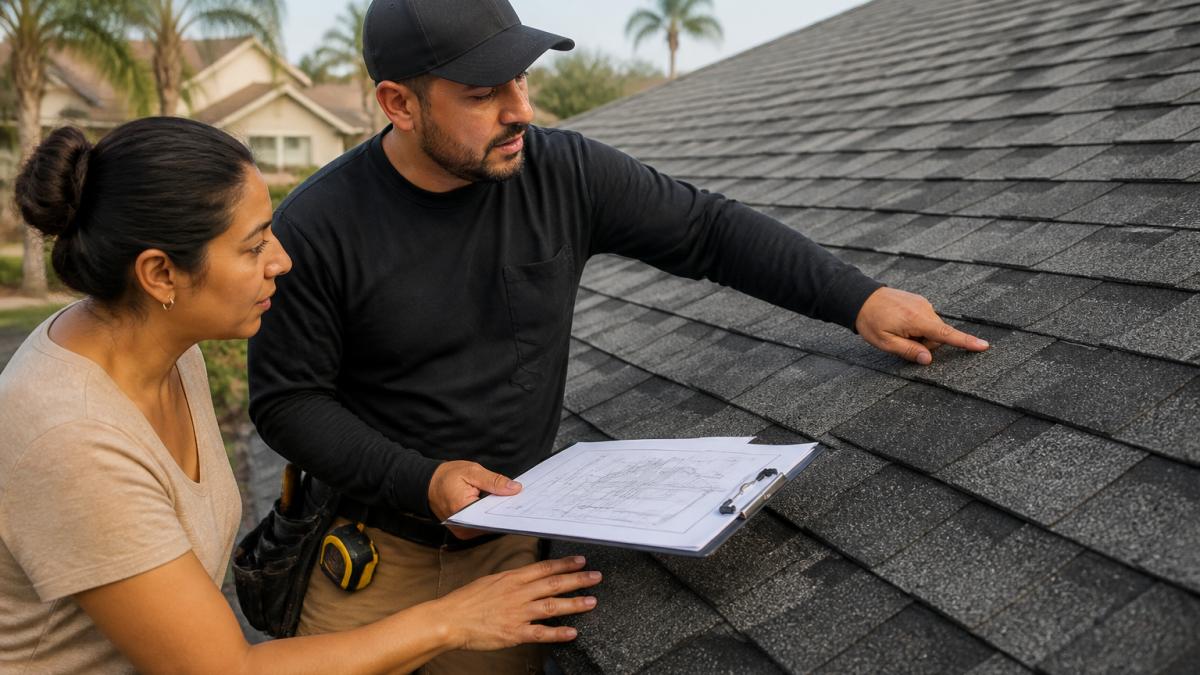
Ask about their certifications and whether they maintain active general liability and workers' compensation insurance. A roofing contractor should carry minimum coverage of $300,000 in liability. Request proof of insurance before work begins, never accept verbal assurances.
Certifications matter too. Roofing professionals in Central Florida may hold manufacturer certifications from shingle or metal roofing suppliers. These certifications show they've trained on proper installation techniques. Ask which manufacturers they're certified with and for how long they've maintained those certifications.
Communication and Bilingual Capability
If you need a bilingual roofing contractor, ask specifically how bilingual services work. Does the owner speak both languages, or is it a team member? For major projects, direct communication with the decision-maker matters. A contractor who can explain technical roofing details in Spanish, not just greet you in Spanish, ensures nothing gets lost in translation.
Ask how they handle written communication. Will your contract, warranty documents, and project timeline be available in Spanish? Will someone be available to answer questions in Spanish during and after the project? These details prevent disputes later.
What to Include in Your Roof Replacement Estimate Checklist
A solid roof replacement estimate should detail every aspect of the work. However, getting one estimate isn't enough. Comparing at least two to three detailed bids from different contractors reveals pricing patterns, scope differences, and which contractor is transparent versus vague.
Step 1: Request Estimates from Multiple Contractors
Contact at least three roofing contractors and request a free in-person inspection and written estimate. Avoid phone or email quotes alone, a contractor who won't visit your property hasn't assessed actual conditions. During the inspection, ask the contractor to identify any structural issues, water damage, or code violations that affect the scope of work.
Provide each contractor with the same information: your roof's age, square footage (if known), current roofing material, and any specific concerns (leaks, storm damage, worn areas). This ensures estimates are comparable.
Step 2: Verify Estimate Components
Each estimate must itemize these elements:
- Roofing material (asphalt shingles, metal, tile, flat system) with brand and grade specified
- Material cost broken down by square footage or total quantity
- Labor cost listed separately from materials
- Removal and disposal of existing roofing (required by Florida code)
- Underlayment and flashing specifications and cost
- Gutters and downspouts (if included in scope)
- Permits and inspections with estimated cost and who files
- Cleanup and site restoration cost
- Timeline with start and completion dates
- Warranty terms (workmanship and material, separately)
- Payment schedule (deposit amount, milestone payments, final payment terms)
If an estimate omits any of these, ask for clarification in writing. A vague estimate that bundles costs or skips details is a warning sign.
Step 3: Understand Florida Permit and Code Requirements
Florida requires roofing permits for most residential and commercial work. The permit process involves:
- Contractor files permit with the local building department (in your jurisdiction)
- Building inspector reviews plans and issues permit
- Work begins only after permit is issued
- Rough inspection occurs after old roofing is removed (inspector checks for structural damage, code compliance)
- Final inspection occurs after new roofing is installed (inspector verifies materials, fastening, flashing meet code)
A professional contractor includes permit costs in their estimate and handles filing. Ask which contractor will be responsible for scheduling inspections. If the contractor says "you'll handle it," that's a red flag, permitting is the contractor's responsibility.
Florida Building Code requires roofing to meet wind resistance standards, especially in coastal areas and high-wind zones. Asphalt shingles must be rated for the wind speed in your area. Metal and tile roofing have different requirements.
Step 4: Compare Pricing and Scope Side-by-Side
Create a simple spreadsheet with each contractor's estimate. List material type, labor cost, permit cost, disposal cost, warranty, and timeline. This visual comparison reveals outliers.
If one estimate is significantly lower, investigate why. Is the material grade lower? Are permits excluded? Is labor cost suspiciously cheap? Roofing is labor-intensive; a quote far below market rate often means corners will be cut or hidden costs will emerge later.
If one estimate is significantly higher, ask what's included that others aren't. Is it a premium material? Extended warranty? Additional services?
Step 5: Verify Insurance and Licensing Before Comparing Price
Before deciding based on cost alone, confirm each contractor's credentials:
- Florida roofing license verified through the Florida Department of Business and Professional Regulation
- General liability insurance minimum $300,000 (request proof of current policy)
- Workers' compensation insurance (required if they have employees)
- No unresolved complaints or disciplinary actions on their DBPR record
The cheapest estimate from an unlicensed or uninsured contractor is not a bargain, it's a liability.
Step 6: Request Estimates in Spanish (If Needed)
If you're working with a bilingual contractor, request that the estimate, contract, and warranty documents be provided in Spanish. This ensures you understand every cost, timeline, and warranty term before signing. A contractor who provides estimates only in English but claims to be bilingual is not truly bilingual.
Red Flags in Estimates
- Vague line items ("labor" without hourly rate or total hours)
- No permit cost listed
- No warranty information provided
- Pressure to sign immediately or "lock in today's price"
- Refusal to provide written estimate
- Estimate significantly lower or higher than others with no explanation
- No mention of inspections or code compliance
What Happens After You Choose
Once you select a contractor, the estimate becomes the basis for your contract. The contract should mirror the estimate exactly. If the contractor later claims "the estimate didn't include that" or "we found more damage," refer back to the written estimate and contract. This is why detailed, itemized estimates protect you.
Understanding Your Roofing Contract and Warranty
Your roofing contract is your protection. Before signing, ensure it includes a detailed scope of work, start and completion dates, payment schedule, and warranty coverage. Never pay the full amount upfront, typical practice is 50% deposit and 50% upon completion.
The contract should specify what warranty you receive. Most roofing contractors offer a workmanship warranty (typically 5-10 years) separate from the manufacturer's material warranty (typically 15-30 years depending on materials) (Resources). Understand what each covers and what voids the warranty.
Request that warranty documents be provided in writing, and in Spanish if that's your preferred language. A reputable roofing contractor in Central Florida will provide clear, bilingual documentation without hesitation.
Residential and Commercial Roofing Services in Central Florida
Residential roofing needs differ from commercial roofing. Residential roofs typically use asphalt shingles, metal, or tile. Commercial roofs often use flat systems like TPO, EPDM, or modified bitumen. A contractor experienced in both understands the different building codes, materials, and installation techniques each requires.
Florida Exterior-Interior Contracting serves both residential and commercial properties across Orlando and Central Florida. Whether you need a new roof on your home or a commercial property repair, the right contractor brings decade-plus experience and direct owner oversight to every project. This matters because your roof protects your investment through hurricanes, heavy rain, and intense sun exposure.
Ask potential contractors about their experience with your specific roofing type. A contractor who specializes in residential shingle roofing may not have the expertise for commercial flat roofing systems or specialized applications like solar roofing.
Storm Damage and Roof Repair: What You Need to Know
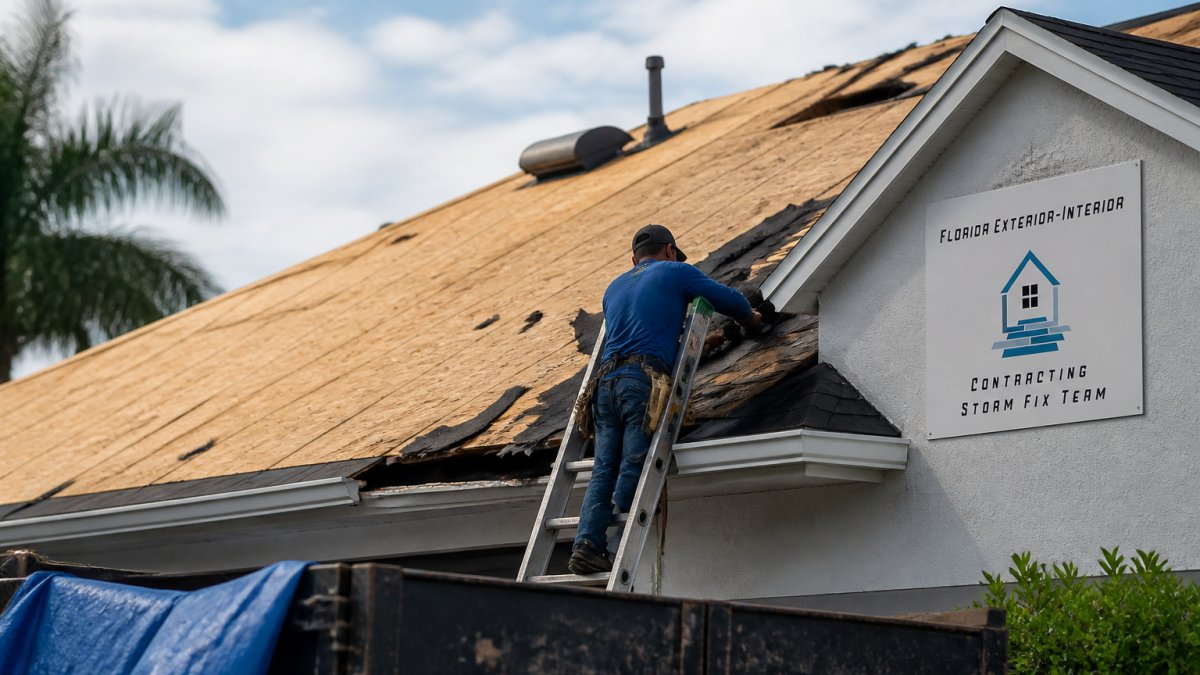
Central Florida experiences severe weather regularly. Hurricanes, derechos, and hail storms cause roof damage that demands immediate attention. After a storm, your first step is a professional roof inspection to assess damage severity.
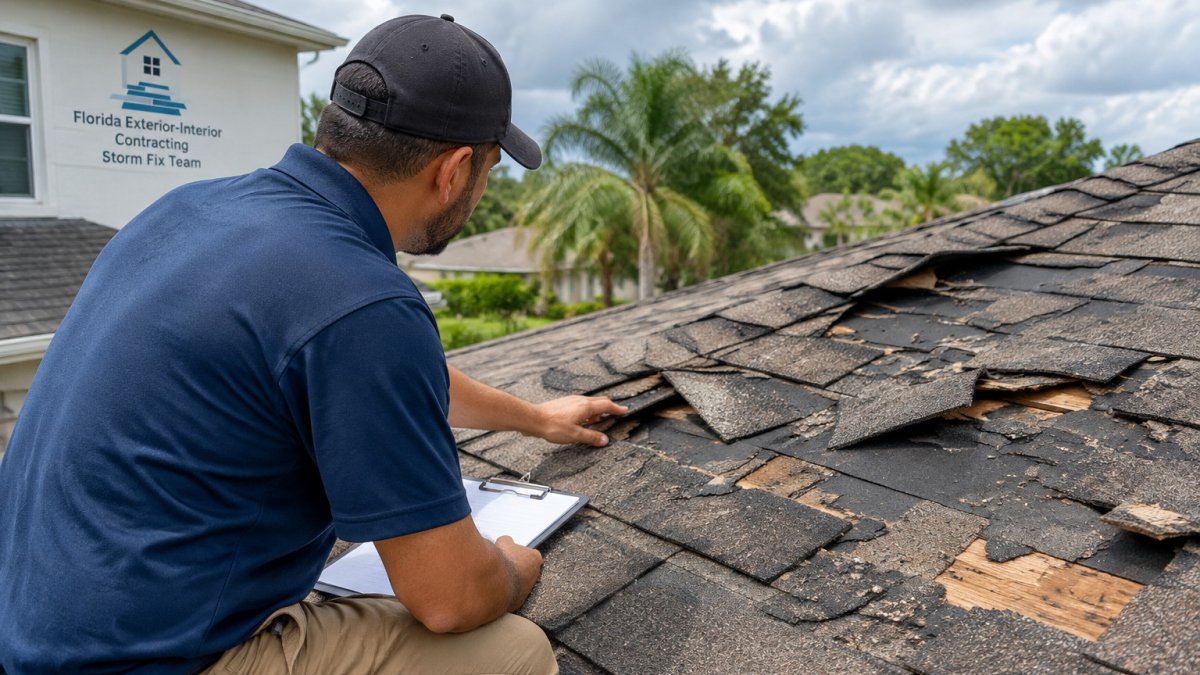
Many roofing contractors offer free inspections following storm damage. This inspection determines whether you need repair or full replacement. Some damage is obvious, missing shingles, visible leaks, dented metal. Other damage is subtle, lifted shingles, compromised flashing, hidden water intrusion. A thorough inspection catches both.
When filing insurance claims, a detailed damage report from a certified roofing contractor strengthens your case. The contractor's documentation and photos help the insurance adjuster understand the extent of damage. If you're working with a bilingual roofing contractor, they can help explain the damage assessment in your preferred language, making the claims process clearer.
Choosing a roofing contractor in Central Florida requires careful attention to licensing, experience, communication, and transparency. A contractor who combines professional credentials with bilingual capability and direct owner involvement delivers the reliability your property deserves. At Florida Exterior-Interior Contracting, our veteran-owned team brings over a decade of hands-on experience to every residential and commercial roofing project. We're certified professionals who speak both English and Spanish, and provide financing options for qualified customers. Get started with Florida Exterior-Interior Contracting and protect your property with durable, code-compliant roofing built to withstand Central Florida's harshest weather.
Frequently Asked Questions
How do I verify a bilingual roofing contractor is licensed in Florida?
Check the Florida Department of Business and Professional Regulation (DBPR) website to confirm the contractor holds an active roofing license. Ask for their license number and verify it matches their business name. Licensed contractors should also carry workers' compensation insurance and general liability coverage. Request proof of these policies before work begins. A legitimate bilingual roofing contractor will provide this documentation without hesitation.
What questions should I ask a roofing contractor before hiring?
Ask about their experience with residential or commercial projects, specific roofing materials they recommend for your home, their warranty terms, timeline for completion, and how they manage communication if you speak Spanish at home. Request references from recent projects and clarify whether the owner will oversee your project directly. Confirm their insurance coverage and licensing status. Ask how they'll protect your property during work and what happens if weather delays the job.
What should a roof replacement estimate checklist include?
A detailed estimate should specify the roofing material type, square footage of the roof, labor costs, material costs, removal of old roofing, disposal fees, permits and inspections, timeline, and warranty coverage. The estimate should clearly separate costs for repairs versus full replacement. Ask if the price includes flashing, gutters, and fascia work if needed.
What does a roofing contract and warranty typically cover?
A roofing contract should outline the scope of work, materials specified, start and completion dates, total cost breakdown, payment schedule, and terms for handling changes. The warranty section should detail workmanship coverage (typically 5-10 years) and material coverage (varies by product, often 10-30 years). Ensure the contract specifies who provides the warranty, the contractor or the manufacturer, and whether it covers labor or materials only. Ask if the warranty is transferable if you sell your home. Get everything in writing and request a Spanish-language copy if you prefer.