 how-to
Why Homeowners Insurance Denies Roof Claims: 2026 Guide
Table of Contents
- Why Homeowners Insurance Denies Roof Claims: The 7 Most Common Reasons
- How to Tell Covered Storm Damage From Maintenance or Wear
- What to Say to an Insurance Adjuster About Roof Damage
- Roof Insurance Claim Documentation: What to Collect Before You File
- What to Do If Your Roof Insurance Claim Is Denied
- How to Appeal a Denied Roof Claim: Deadlines, Letters, and Evidence
- When Your Insurer and Contractor Disagree: Next Steps
- Frequently Asked Questions
Last Updated: October 8, 2026
Why Homeowners Insurance Denies Roof Claims: The 7 Most Common Reasons
A denied roof claim almost always traces back to one question: was the damage sudden, or did it build up over time? Most policies cover the first and exclude the second, which is why homeowners insurance denies roof claims so often, even when the damage looks obvious from the ground.
Here are the seven most common reasons denials happen.
- Wear and tear from years of sun and rain
- Normal deterioration that no policy covers
- Pre-existing or prior damage the insurer says predates your policy
- Roof age beyond the insurer's limit
- Late reporting past the claim filing deadline
- Policy exclusions for certain causes of loss
- Maintenance neglect the insurer calls the real cause
Notice what these have in common: none of them are sudden.
Wear and Tear, Normal Deterioration, and Pre-Existing Damage
Wear and tear is the gradual breakdown of roofing materials from age, weather, and sun exposure.
Shingles curl, crack, and lose granules over time, normal deterioration, not a loss. Adjusters look for even wear across the whole roof rather than damage concentrated in one area.
Pre-existing damage is trickier.
Roof Age Limits, Policy Exclusions, and Late Reporting
Many insurers will not pay to replace a roof past a certain age, often 15 to 20 years, though the threshold varies by carrier and policy.
Policy exclusions do the rest of the work. Standard policies typically exclude:
- Flood damage, which needs separate coverage
- Earthquake damage, also separate
- Pest damage from termites or rodents
Late reporting is the quiet killer. Most policies require prompt notice, and waiting months gives the insurer grounds to deny even a valid claim.
How to Tell Covered Storm Damage From Maintenance or Wear
The test is simple: covered damage is sudden and accidental, while wear is gradual. If you can point to a specific storm date and show damage that was not there before, you have a covered claim.
Here is how to tell them apart in practice:
| What You See | Likely Cause | Covered? |
|---|---|---|
| Missing shingles in a wind pattern | Wind damage | Usually yes |
| Random dents and bruised shingles | Hail damage | Usually yes |
| Curled, brittle shingles across the roof | Normal deterioration | No |
| Granules collecting in gutters | Wear and tear | No |
| Lifted flashing after a storm | Storm damage | Usually yes |
| Rot or soft spots in the decking | Long-term water damage | Often no |
What Hail, Wind, and Hurricane Damage Look Like on a Roof
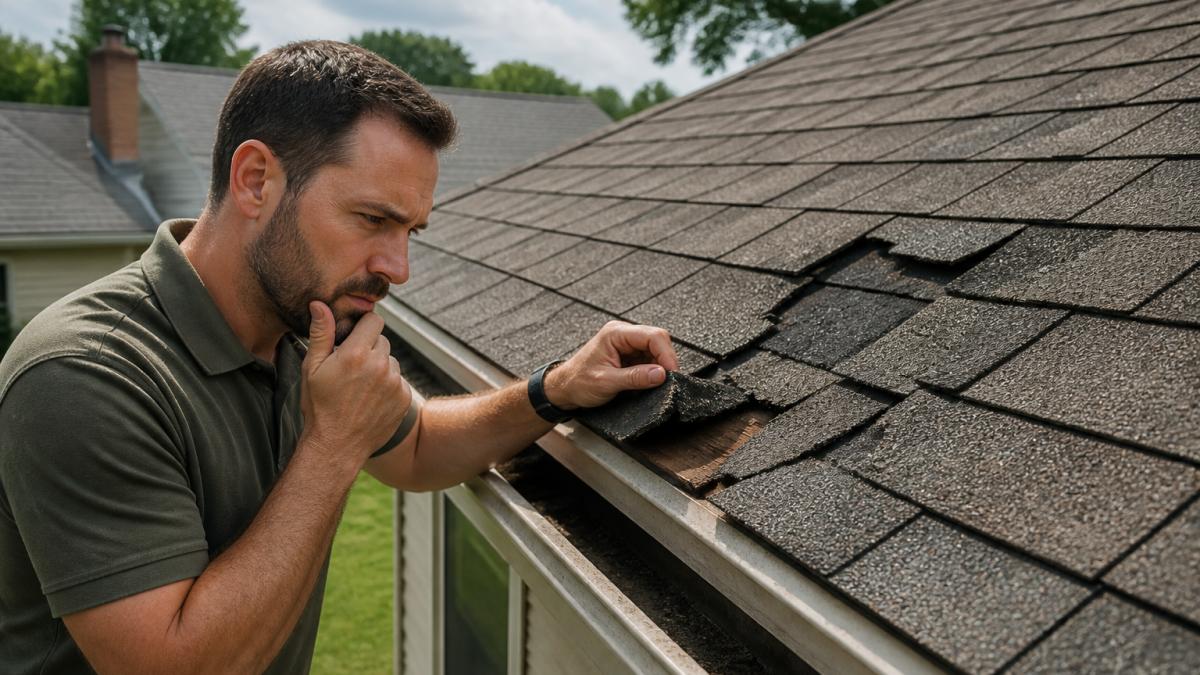
Wind damage shows up as missing, lifted, or creased shingles, often on the storm-facing side. Hail damage looks like soft, bruised spots where granules were knocked loose, and it is easy to miss from the ground.
Hurricane damage combines both, plus water intrusion where the roof was breached. Water damage after a storm is usually covered, but only if the storm caused the opening.
What Sudden and Accidental Damage Actually Means in Your Policy
Sudden and accidental damage is harm from a single, unexpected event rather than slow decline. A falling tree branch is sudden; a roof fading for a decade is not.
This phrase is the hinge your whole claim swings on: if your cause of loss fits it, you have coverage; if not, you are arguing uphill.
What to Say to an Insurance Adjuster About Roof Damage
Keep it factual. Describe what you saw, when you saw it, and which storm you believe caused it. Do not guess at causes or volunteer opinions about your roof's age or condition. The harder problem is what to do when the adjuster's findings and your contractor's findings do not match.
Before the Adjuster Arrives
Preparation shapes the conversation:
- Have your policy, declarations page, and claim number on hand.
- Take dated photographs of the roof and any interior damage before the adjuster arrives.
- If safe, clear the area around the house so the adjuster can see the full roof and any debris.
During the Adjuster Visit
Stick to dates, weather events, and what changed. Point out specific damage, not general "it looks bad." Ask the adjuster to show you what they photograph and note the locations. Offer any independent inspection report, and ask for the adjuster's findings in writing plus the file handler's name and contact information.
When the Insurer and Your Contractor Disagree
When the insurer and your contractor disagree, the dispute usually comes down to cause and scope.
**1.
**2.
**3.
**4.
**5.
6. Escalate to your state's department of insurance. Every state has a consumer assistance office.
7. Consider mediation or legal counsel. Some policies and state programs offer mediation.
A Note on Code and Manufacturer Requirements
One common source of disagreement is code. If your local building code requires a certain underlayment, ice barrier, or attachment method, the repair may need to meet that standard even if the insurer's estimate does not include it, ask your contractor to cite the specific code section.
Keeping the Relationship Workable
Most adjusters are handling many files. Being organized, responsive, and factual makes your claim easier to process: send documents in the requested format, respond promptly, and log every call, visit, and name. If you feel the process is unfair, use the formal channels above rather than arguing on the phone, a written record is what moves a disputed claim forward.
Roof Insurance Claim Documentation: What to Collect Before You File
Strong roof insurance claim documentation separates a paid claim from a denied one. Collect it before you file, not after.
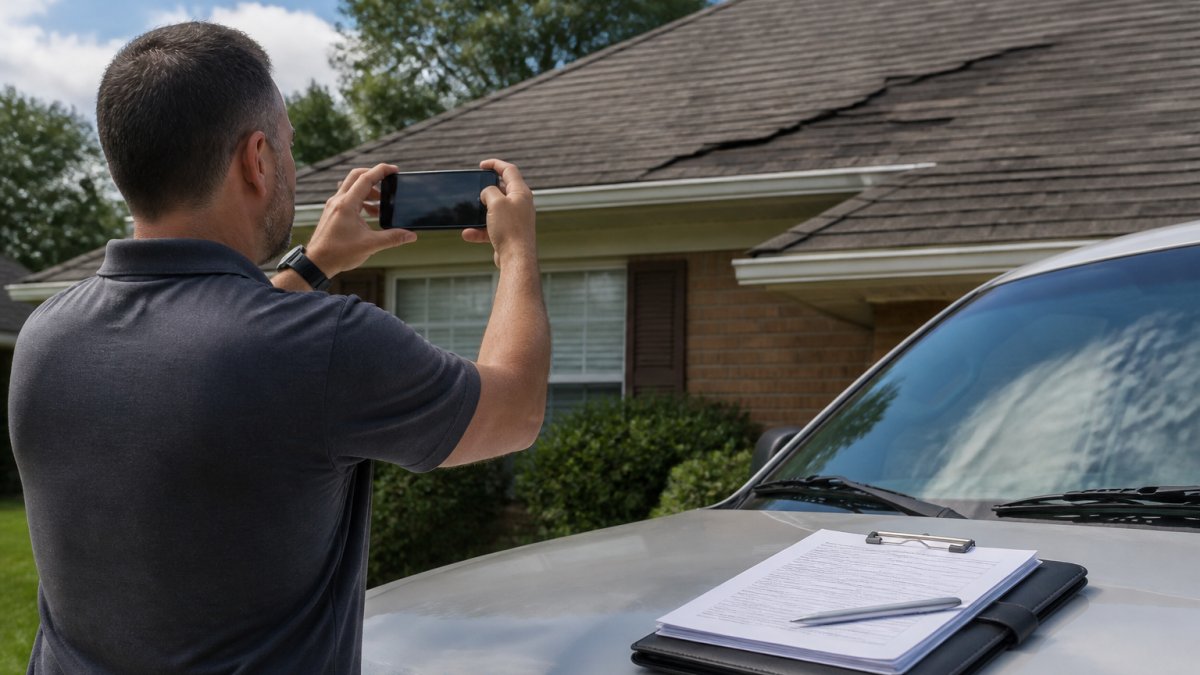
Gather these items:
- Photographs of the damage from multiple angles, plus wide shots of the whole roof
- Video walking the property after the storm if it is safe
- A dated inspection report from a licensed roofing professional
The evidence has to connect the damage to a specific event. Photos without dates and context are weak.
What to Do If Your Roof Insurance Claim Is Denied
Read the denial letter closely. It names the specific reason, and that reason tells you exactly what to fight.
Then follow these steps:
- Note every deadline in the letter for appeal or reconsideration
- Request the adjuster's full report and any photos they took
- Get an independent roof inspection from a licensed contractor
- Compare the two reports to find where they disagree
- Gather your documentation into one organized file
- Submit a written appeal with your evidence attached
Many denials are reversed at this stage, especially when an independent inspection contradicts the adjuster's findings.
Emergency Mitigation While Your Claim Is Disputed
You still have to protect your home while you argue. Most policies require you to prevent further damage, and failing to do so can reduce your payout.
Tarp the roof, board up broken areas, and keep every receipt. Document the mitigation with before-and-after photos to show good faith and protect your claim.
How to Appeal a Denied Roof Claim: Deadlines, Letters, and Evidence
How to appeal a denied roof claim comes down to three things: timing, a clear letter, and hard evidence. Miss one and the appeal weakens. Here is a sequenced process from the day the denial letter arrives.
Step 1: Calendar Every Deadline in the Denial Letter
Read the denial letter with a pen in hand. Circle every date and policy provision.
If the letter does not state a deadline, call the claims adjuster and ask for the specific policy provision and deadline in writing. Log the call: date, time, name, and what was said.
Step 2: Request the Full Claim File
Send a written request for the complete claim file, including:
- The adjuster's report and any field notes
- All photographs and measurements the insurer took
- The engineering report, if one was ordered
Many policies and state regulations give you a right to this material. Ask in writing and keep a copy of your request. The adjuster's photos are often the most useful document, because they show what the insurer saw and when.
Step 3: Get an Independent Inspection
Hire a licensed roofing contractor or qualified independent inspector to examine the roof and produce a written report including:
- Date of inspection and the inspector's license number
- Photographs keyed to locations on the roof
- A description of damage patterns and likely cause
Ask the inspector to address the insurer's stated denial reason directly. If the insurer said wear and tear, the report should explain what evidence points to storm damage instead, fresh shingle fractures, impact marks, or matching damage on neighboring roofs.
Step 4: Build an Evidence File
Organize everything into one indexed file, physical or digital:
- Denial letter and envelope
- Your policy declarations page and the full policy
- Claim number and adjuster contact information
Number the pages and keep a cover sheet listing each item. An organized file is easier to evaluate and harder to dismiss.
Step 5: Write the Appeal Letter
Your appeal letter should be factual and short:
- Your name, address, policy number, and claim number
- The date of the denial letter and the stated reason
- A clear statement that you disagree and why
- The specific evidence that contradicts the denial
- A request for reconsideration and a written response by a date certain
- A list of enclosures
Attach the independent inspection report, dated photos, and repair estimates. Keep the tone professional, argue evidence, not emotion. Send by a method that produces a receipt, such as certified mail with return receipt requested, and keep a copy.
Step 6: Escalate If the Appeal Is Denied
If the insurer stands by the denial, your options depend on your policy and state. Common paths:
- Appraisal. Many policies include an appraisal clause: each side selects an appraiser, and the two select an umpire if they disagree. Appraisal decides the amount of loss, not coverage, so it works best for scope or value disputes rather than whether the loss is covered at all.
- Mediation. Some policies and state programs offer mediation as a lower-cost alternative to litigation.
- Department of insurance complaint. Every state has a department of insurance or consumer assistance office. Filing a complaint creates a record and can prompt a review; check your state's website for the form and the issues it handles.
A Short Appeal Letter Template
Adapt this language to your situation:
[Date]
[Insurer name] [Claims department address]
Re: Appeal of denied roof claim Policy number: [number] Claim number: [number] Date of loss: [date]
To whom it may concern:
I am writing to appeal the denial of my roof claim dated [date]. The denial letter states the reason as [quote the reason]. I disagree with this determination for the following reasons: [list two or three specific points].
Enclosed please find an independent inspection report dated [date], dated photographs of the damage, and contractor estimates. These documents show [brief description of what they establish].
I request that you reconsider the denial and provide a written response by [date]. Please contact me at [phone and email] with any questions.
Sincerely, [Name]
What Not to Do
- Do not miss a stated deadline while gathering evidence. Send a short letter before the deadline stating you are appealing and will supplement with documentation.
- Do not send originals. Send copies and keep the originals.
- Do not accept a partial payment as full settlement unless you intend to. Cashing a check marked "full and final" can end your claim.
When Your Insurer and Contractor Disagree: Next Steps
A denied roof claim is frustrating, but rarely final. Homeowners who win appeals have clear documentation, a licensed inspection, and a contractor who stands behind the findings. We provide code-compliant repairs and replacements, and clear communication in English or Spanish, with financing available for those who qualify. Get Started with Florida Exterior-Interior Contracting and get a straight answer about your roof.
Frequently Asked Questions
What are the most common reasons roof claims are denied?
The most frequent reasons include wear and tear, normal deterioration, pre-existing or prior damage, roof age limits written into the policy, late claim filing, and damage that falls under a policy exclusion such as flood or earthquake. Insurers also deny claims when the cause of loss cannot be tied to a single covered event. Reviewing your denial letter line by line tells you which reason applies to you and shapes your appeal.
How can I appeal a denied roof insurance claim?
Start by reading the denial letter for the stated reason and any appeal deadline. Gather your roof insurance claim documentation: dated photographs, an independent roof inspection report, repair estimates, and receipts for emergency mitigation. Send a written appeal by certified mail that addresses the specific denial reason and cites your policy language. Ask for reconsideration from a senior adjuster. If that fails, contact your state insurance department for consumer assistance.
What should I avoid saying to an insurance adjuster about roof damage?
Avoid guessing at the cause, volunteering that the roof is old, or saying you are not sure when the damage happened. Do not describe damage as cosmetic or minor, and do not agree to a settlement on the spot. Stick to facts you can document: the date of the storm, what you observed, and when you first noticed it. Keep a written record of every conversation, including the adjuster's name and the date.
Can I dispute an insurance company's roof damage decision?
Yes. A denial is a decision, not a final ruling. You can request reconsideration, submit new evidence such as an independent roof inspection that contradicts the adjuster's findings, and escalate to your state insurance department. If the dispute continues, some policies allow appraisal, where each side hires an independent appraiser. Deadlines matter, so act as soon as the denial letter arrives.