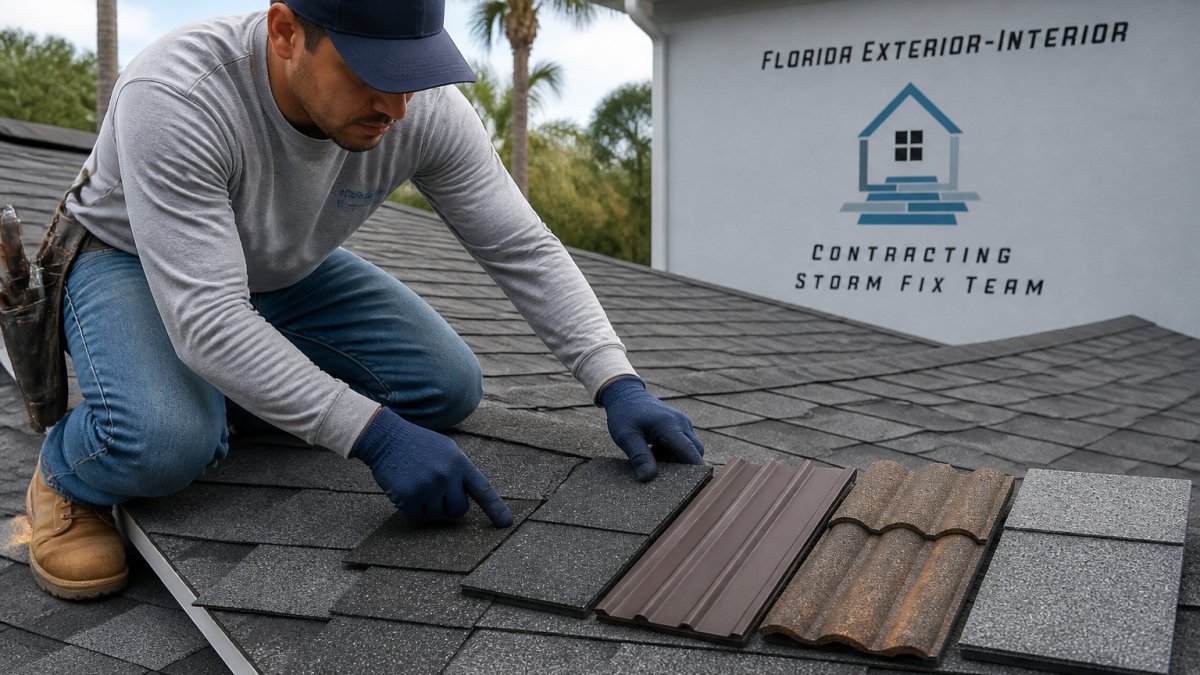
 blog
Which Roofing Materials Best Withstand Hurricanes?
Last Updated: October 28, 2026
Quick Summary
The best hurricane roofing materials are standing-seam metal and slate, both rated excellent for wind resistance, followed by clay and concrete tile at very good. Impact-resistant asphalt shingles offer good protection for budget-conscious replacements, while fiberglass shingles rate only fair to good.
- Standing-seam metal uses raised seams and concealed fasteners, leaving fewer penetrations where uplift can start.
- Impact-resistant shingles are asphalt or fiberglass, but the claim is specific and testable.
- Do not judge a tile roof by the tile alone; underlayment, fastening and deck capacity decide performance.
- Slate is extremely heavy and needs structural reinforcement plus specialist installation few crews handle well.
- A contractor who cannot produce product approval documentation is a red flag.
Table of Contents
- Comparing the 5 Best Roofing Materials for Hurricane Protection
- Quick Comparison: Wind Ratings, Impact Resistance, and Lifespan
- Metal Roof Wind Resistance: Standing-Seam Systems and High-Wind Performance
- Impact-Resistant Roof Shingles: Asphalt and Fiberglass Options That Hold Up
- Tile Roof Hurricane Protection: Clay and Concrete Durability Under Stress
- Slate Roofing and Wind Uplift: When Heavy Materials Make Sense
- How to Prepare Your Roof for Hurricane Season Beyond the Surface Material
- Verified Ratings, Building Codes, and Product Approval for Hurricane Roofing
- Getting a Hurricane-Ready Roof Assessment for Your Property
- Frequently Asked Questions
Comparing the 5 Best Roofing Materials for Hurricane Protection
Choosing hurricane roofing in Central Florida comes down to a short list of materials that can hold their grip when wind gusts hit triple digits. According to FEMA's guidance on wind-resistant roofing, the difference between a roof that survives a storm and one that fails usually comes down to how the material and the attachment system work together. At Florida Exterior-Interior Contracting, we have over a decade of hands-on experience serving Orlando and Central Florida. Below, we compare five roofing materials by wind performance, impact resistance, and lifespan, then explain roof-system details.
Quick Comparison: Wind Ratings, Impact Resistance, and Lifespan
No single material wins on every measure. The table below summarizes how the five leading options compare on the factors that decide hurricane performance.
| Material | Wind Resistance | Impact Resistance | Typical Lifespan | Best For |
|---|---|---|---|---|
| Standing-seam metal | Excellent | Very good | Long | Homeowners wanting durable, low-maintenance protection |
| Impact-resistant asphalt shingles | Good | Good (rated products) | Moderate | Budget-conscious replacements |
| Clay and concrete tile | Very good | Very good | Long | Mediterranean-style homes, high-wind zones |
| Slate | Excellent | Excellent | Very long | Historic and high-end properties |
| Fiberglass shingles | Fair to good | Fair | Shorter | Rental and budget properties |
Metal Roof Wind Resistance: Standing-Seam Systems and High-Wind Performance
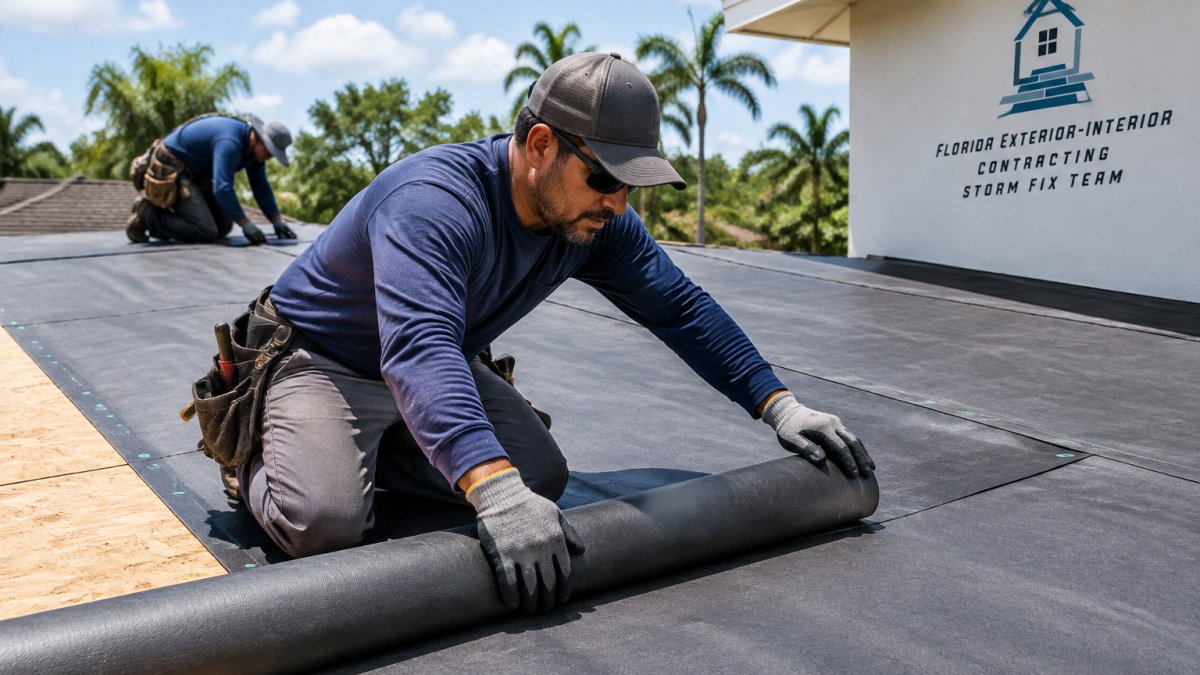
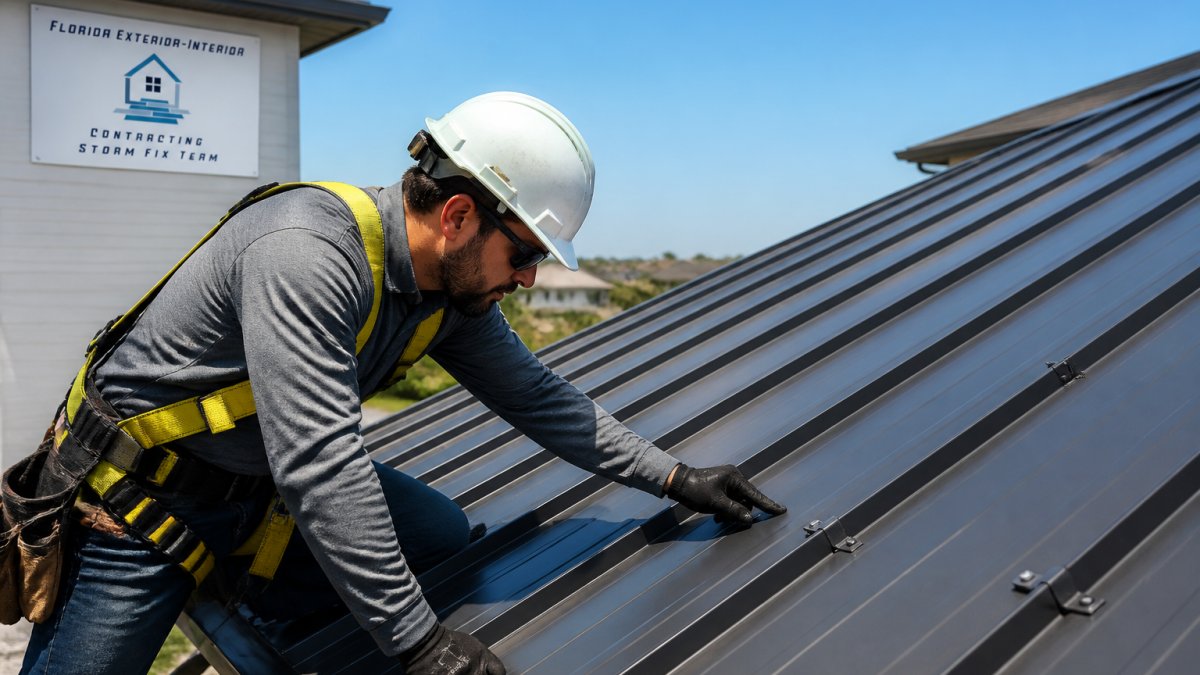
Metal roof wind resistance starts with how the panels attach, not how thick they are. Standing-seam metal roofing uses raised seams and concealed fasteners, which means fewer penetrations for wind-driven rain to exploit and fewer points where uplift can start. Panels run vertically from eave to ridge and lock together, so the roof behaves as a continuous surface rather than a collection of individual pieces.
Impact-Resistant Roof Shingles: Asphalt and Fiberglass Options That Hold Up
Impact-resistant roof shingles are asphalt or fiberglass shingles. But "impact-resistant" is a specific, testable claim.
What the ratings actually mean.
Where shingles win and where they fail.
Tile Roof Hurricane Protection: Clay and Concrete Durability Under Stress
Attachment is the real story.
Clay versus concrete.
The structural and moisture caveats.
Slate Roofing and Wind Uplift: When Heavy Materials Make Sense
Here is where most guides get it wrong: slate is not a universal upgrade. It is extremely heavy, so the structure must be built or reinforced to carry it, and it requires specialist installation that few crews handle well. Repair costs are high, and finding matching slate for a repair can be difficult. Slate makes sense for historic properties, high-end homes, and owners planning to stay for decades. For everyone else, the cost and structural demands usually outweigh the benefits.
How to Prepare Your Roof for Hurricane Season Beyond the Surface Material
The material is only half the story. A roof's performance also depends on its installation and the rest of the roofing system.
For more practical roof-maintenance tips to protect your home before storm season, explore our blog for tips and insights on maintaining the perfect roof for your home.
Verified Ratings, Building Codes, and Product Approval for Hurricane Roofing
A contractor who cannot produce product approval documentation is a red flag. If you have follow-up questions about ratings, codes, and product approvals, our comprehensive FAQ section is packed with helpful information and answers to some of the most commonly asked questions about our services.
Getting a Hurricane-Ready Roof Assessment for Your Property
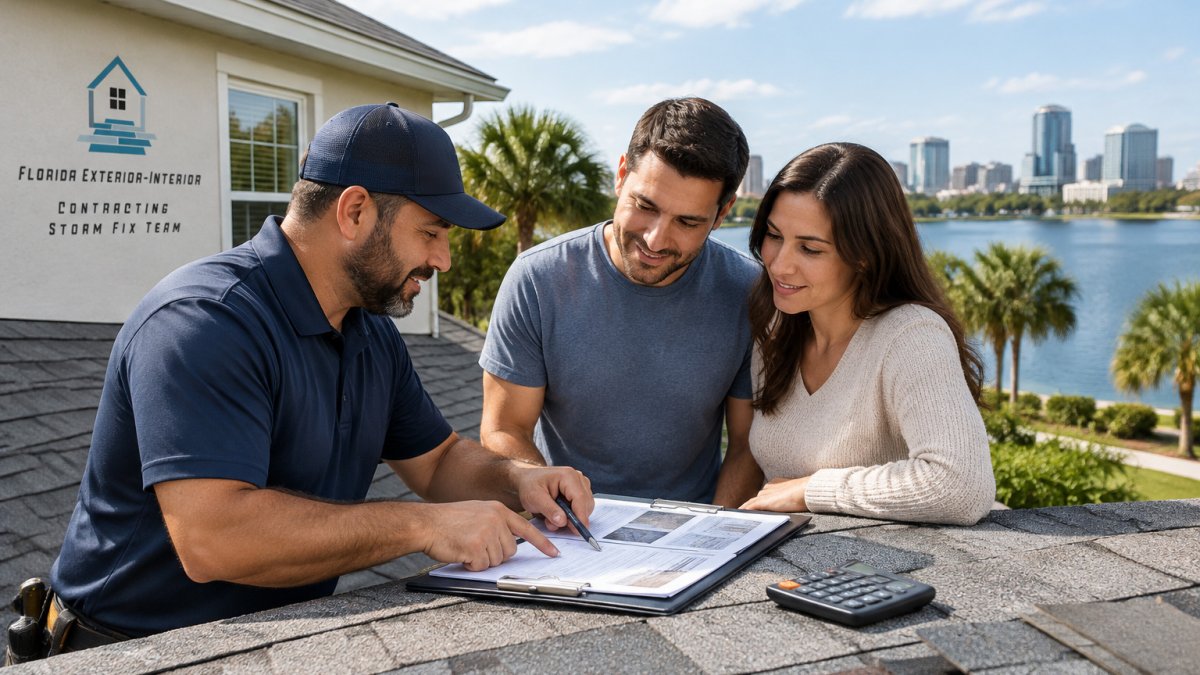
The right material depends on your home's structure, your budget, your wind zone, and how long you plan to stay. At Florida Exterior-Interior Contracting, we are a veteran-owned, bilingual business with direct owner oversight from start to finish. You can get your instant quote today and see the stunning results of our complete re-roofing services for residents in and around Orlando before you decide.
Frequently Asked Questions
What is the best roofing material for hurricane protection?
There is no single best material for every home. The right choice depends on your roof pitch, structural support, budget, and local building codes.
Are metal roofs better than shingles in a hurricane?
Metal roofs and asphalt shingles are roofing material options. The right choice depends on the property and the applicable building codes.
Can tile roofs withstand hurricane-force winds?
Clay and concrete tile are roofing material options. Check applicable building codes and consider whether the roof structure is suitable before choosing tile.
Does a hurricane-resistant roof need special installation?
Roofing material is one consideration when preparing for hurricane season. Check applicable building codes and product information for the roofing materials you are considering.
The gap between a roof that survives storm season and one that does not usually comes down to material choice plus installation quality. Florida Exterior-Interior Contracting brings over a decade of hands-on experience, certified roofing professionals, and bilingual service so nothing gets lost in translation on a project this important. Get started with Florida Exterior-Interior Contracting and protect your property with a roof built to withstand harsh weather.